


A healthier routine starts with small actions that fit the day you already have. If work, family, or school fills your schedule, big plans can be hard to keep. Small changes can make your health goals feel more manageable and help you notice progress over time.
To learn how to build a healthy lifestyle, start with one practical habit, then add others as they become part of your day. The ten areas are planning one manageable change, eating nourishing foods, drinking water regularly, meeting weekly activity goals, breaking up sitting, protecting sleep, managing stress and stimulating your mind, connecting with others, avoiding tobacco, and keeping preventive care current. Consistency matters more than changing everything at once.
Each area can fit different needs, budgets, and schedules. A missed day does not erase the effort you have made, and changes can take time. Choose one habit to start this week rather than attempting all ten at once.
How to Build a Healthy Lifestyle
A broad goal becomes easier to act on when it names one behavior, one cue, and a realistic time. Habit stacking means attaching a new behavior to an existing routine so that the established behavior cues the new one. Start with a small action you can repeat.
Changing a health behavior often moves through contemplation, preparation, action, and maintenance. Contemplation means thinking about change; preparation means getting ready to begin. Action can include changes made in the last six months, while maintenance means keeping changes for more than six months.
Turn a broad goal into a repeatable cue
Choose a clear first step, such as eating two servings of vegetables or turning screens off 30 minutes before bed. Then connect it to a cue you already trust, like a meal or the end of homework.
A habit stack can begin with a 10-minute walk after breakfast, followed by a five-minute stretch. Track whether you did the action and how it felt. A brief note can show which cues work well and which need adjusting.
Choose one behavior, attach it to a reliable cue, and make the first step small enough to repeat.
Ten ways to improve your health can be organized around the ten habit areas introduced above. Twenty ways to stay healthy can pair each area with an easy version and a more challenging version.
Fit a healthy lifestyle routine around a student’s day
A healthy lifestyle routine for students can fit around classes, meals, and study breaks without following one ideal schedule. For example, a student might take a walk after lunch, stretch after a study session, and set a bedtime cue after finishing evening work.
Build around the times that already shape your day. If classes change from day to day, tie a habit to lunch rather than a fixed hour. A routine should support school demands, not compete with them.
Track progress and restart after a slip
Track progress with a simple check mark, calendar note, or short journal entry. Record the action and how it felt, not only whether you met a larger goal. That detail can help you spot what makes a habit easier.
A missed attempt is useful information, not proof that you cannot change. If a plan fails because you forgot, choose a stronger cue; if it felt too hard, shrink the action. If a habit slips, record what interrupted it and choose the next small opportunity to try again.
Which foods make healthy eating easier?
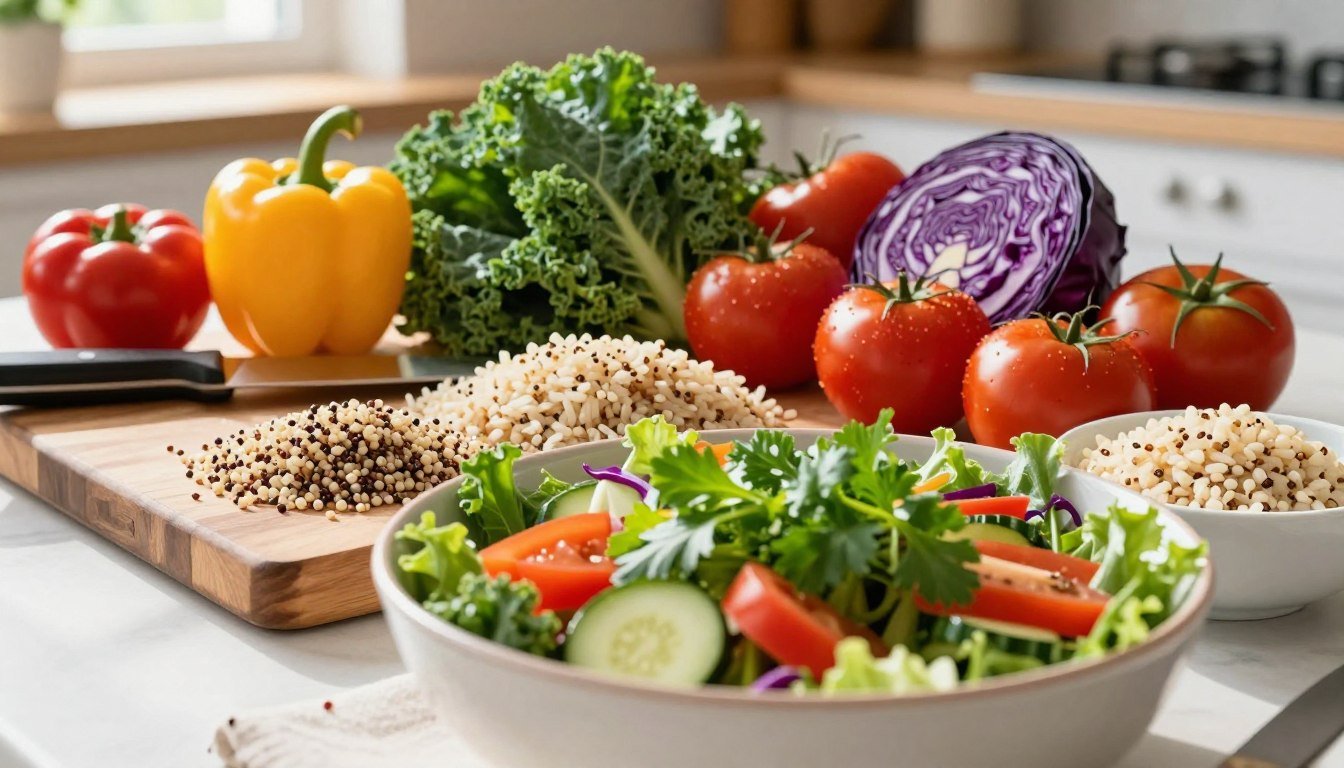
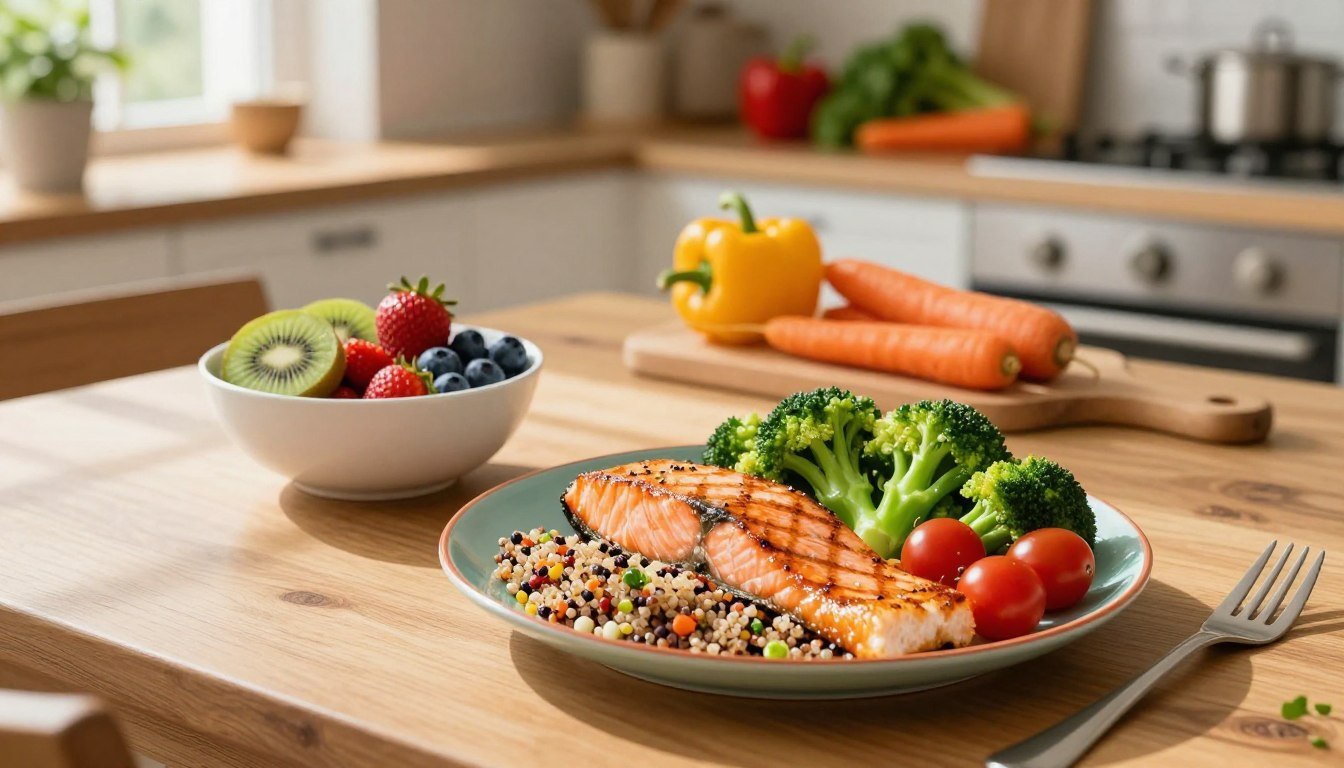
A useful everyday meal starts with nourishing foods you enjoy and can prepare consistently. Build around vegetables, fruit, whole grains, protein foods, and nuts. Choose mostly whole foods and limit highly processed foods, added sugars, and refined carbohydrates.
The Dietary Guidelines for Americans, 2025-2030, advise prioritizing whole, healthy, nutritious foods. That advice does not require a strict menu. A bowl with beans, vegetables, and whole grains can suit many budgets and cooking styles.
Build meals around nourishing foods
Mediterranean-style meals often include vegetables, fruit, whole grains, beans, fish, and olive oil. Antioxidant-rich foods include many colorful fruits and vegetables. You can adapt the pattern with familiar foods from your own culture.
A systematic review and meta-analysis included 35 randomized controlled trials from 2014 through 2024. It covered about 25,000 participants aged 50 years or older. The reported links between dietary patterns and health outcomes are associations, not guarantees for any one person.
| Outcome | Dietary pattern or intake | Effect estimate |
|---|---|---|
| Cardiovascular outcomes | Mediterranean diets, antioxidant-rich foods, and protein intake | RR = 0.78 |
| Cognitive decline | Mediterranean diets, antioxidant-rich foods, and protein intake | OR = 0.72 |
| Muscle mass | Mediterranean diets, antioxidant-rich foods, and protein intake | SMD = 0.45 |
Use protein and fiber to make meals satisfying
Protein foods include beans, lentils, eggs, fish, poultry, tofu, and dairy. Fiber comes from foods such as vegetables, fruit, beans, and whole grains. Bringing both into a meal can make it more filling.
Unsalted nuts can work as a snack or an addition to oatmeal or yogurt. A palm-sized portion is a practical serving cue. Choose types and portions that fit your needs and budget.
Keep convenient choices ready
Keep easy options on hand, such as canned beans, frozen vegetables, fruit, or whole-grain bread. These can shorten meal prep when time is tight. Check labels to compare added sugars and sodium when that information matters to you.
Cooking does not need to happen from scratch each day. A prepared grain, leftover vegetables, and a protein food can become a quick meal. Make the next meal easier by keeping one convenient nourishing option within reach.
How can you make hydration part of the day?
Pairing water with a routine you already follow is simpler than relying on reminders all day. Try a glass after waking or with each meal. Respond to thirst and relevant clinical guidance instead of forcing a fixed amount.
Fluid needs vary with factors such as activity, weather, and health conditions. A hot day or a long period of activity may change what your body needs. Some medicines and health concerns also call for personal guidance.
Use a cue that already happens most days. Put water near the place where you eat breakfast, or bring a glass to the table before a meal. A visible cue can make the habit easier to remember.
Water is a simple default, but your needs may differ from someone else’s. If a clinician has given you fluid advice, follow that guidance. Do not treat a popular daily amount as a rule for every body.
Notice whether your routine works in real life. If you often forget during work, keep a glass near your usual workspace. If you eat away from home, connect the habit to sitting down for a meal.
Keep a glass or refillable bottle where your chosen cue happens.
How much physical activity should you aim for each week?
A brisk walk can count toward the weekly target even when it is divided into short sessions. Adults need at least 150 minutes of moderate activity each week, or can meet the aerobic target with 75 minutes of vigorous activity. Some activity is better than none.
Moderate activity raises your effort while allowing conversation; brisk walking is one example. Vigorous activity makes you breathe harder, as jogging or running can. You can spread movement across the week instead of doing it all at once.
Choose a weekly mix of moderate and vigorous activity
Choose the pace and activity that fit your current ability. Short chunks count, so a 10-minute walk can be part of your weekly total. Adults who fall short of the target can still benefit from some moderate or vigorous activity and less sitting.
| Intensity | Weekly aerobic target | Examples |
|---|---|---|
| Moderate activity | At least 150 minutes | Brisk walking |
| Vigorous activity | 75 minutes | Jogging or running |
Going beyond 150 minutes of moderate activity or 75 minutes of vigorous activity each week can bring additional health benefits. You do not need to start above your current comfort level. Build toward a plan you can keep.
Add strength work and adapt the plan
Resistance exercise complements aerobic activity by challenging your muscles. You might use body-weight moves, resistance bands, or weights. Adjust the effort to your ability, and seek qualified help if you are unsure how to begin safely.
Age, health, fitness, and access to safe spaces can affect which activities suit you. A walk indoors may work better than an outdoor route in poor weather. Pick options that you can repeat across ordinary weeks.
Understand the benefits of healthy diet and exercise
Healthy diet and exercise benefits can include support for cardiovascular fitness and lower frailty risk. A review found aerobic and resistance exercise enhanced cardiovascular fitness, with a mean difference in VO2 max of 3.6 mL/kg/min. It also found an association with reduced frailty risk, RR = 0.67.
These group findings do not predict a personal result. Regular movement and nourishing meals can support health, but individual needs differ. Pick an activity you can repeat and put its first session on your calendar.
What can you do to sit less during the day?
A few minutes of movement can fit between tasks without changing into workout clothes. Use a natural cue, such as finishing a call or brushing your teeth, to break up long sitting periods. These brief breaks are not a replacement for weekly aerobic activity.
The goal is to move your body, not to complete a full workout during every pause. A small action can help you interrupt a stretch of sitting and return to your task. Choose a movement that feels safe and easy to do in your space.
- Walk around the room before starting your next task.
- Do 10 air squats beside your desk.
- Use a counter for a few push-ups.
- Repeat the stand-sit-stand pattern: stand, sit back down, then stand again.
Short movement breaks work best when they fit your day. After a video call, walk to refill your water or cross the room and back. While brushing your teeth, you can activate your abdominal muscles for 30 seconds.
Try one cue first rather than adding several reminders at once. A break after a long call may suit desk work, while a stand after each television episode may fit evenings. Keep the action simple enough to do without special gear.
If a movement causes pain or feels unsafe, stop and choose another option. Small breaks should suit your body and surroundings. Set one recurring cue to stand and move during the part of the day when you usually sit longest.
How can you protect sleep quality?
A dependable wind-down routine can make bedtime easier to repeat from one night to the next. A commonly suggested sleep range is 7-8 hours per night. Turning off device screens 30 minutes before bed is one practical cue.
Pick a steady wind-down activity, such as reading or preparing clothes for the next day. Repeat it before bed when your schedule allows. A familiar cue can mark the shift from daytime tasks to rest.
| Option | Timing | Practical point |
|---|---|---|
| Nighttime sleep | 7-8 hours per night | Commonly suggested range |
| Short naps | Less than 30 minutes, no more than four times a week | Associated with the most benefit |
Short naps may suit some people, but keep the timing and length in mind. The naps associated with the most benefit lasted less than 30 minutes and occurred no more than four times a week.
Persistent insomnia may need more than a bedtime routine. Cognitive behavioral therapy for insomnia is a treatment option; it improved sleep quality, with SMD = 0.74. This result does not promise that a routine alone will resolve ongoing sleep problems.
Notice patterns that make rest harder, such as a changing bedtime or late screen use. Adjust one part of your routine at a time so you can tell whether it helps. If sleep problems persist, discuss them with a qualified health professional.
What supports mental well-being and cognitive health?
A short pause for focused breathing can be a practical way to interrupt a stressful moment. Pair a mental reset with an existing cue, such as sitting down for lunch or closing your workday. One small daily practice is easier to repeat than a plan that needs perfect conditions.
Alternate-nostril breathing is one option: breathe through one side for about 5-10 breaths, then switch sides. Keep the practice comfortable. Stop if it feels unpleasant and choose a quiet pause instead.
- Try a short mindfulness or breathing practice.
- Spend time on a mentally engaging hobby, such as a puzzle or music.
- Take a brief screen-free pause between tasks.
A daily routine for a healthy body and mind can pair one mental reset with a cue you already follow. Five ways to stay healthy can include nourishing food, movement, sleep, stress care, and preventive care. These habits can support well-being, but they do not guarantee an outcome.
A systematic review and meta-analysis covered 35 randomized controlled trials from 2014 through 2024. It included about 25,000 adults aged 50 years or older. Cognitive stimulation and mindfulness interventions were associated with reduced dementia risk, OR = 0.75.
The same interventions were associated with reduced stress levels, SMD = -0.65. Those findings describe group associations, not individual predictions. Choose a mental reset you can use on an ordinary busy day, not only on a quiet one.
A short conversation can make social connection part of an ordinary day. Call a friend, talk with a neighbor, or join a small group that meets regularly. Choose contact that feels comfortable and realistic for you.
Friendship-support interventions involving community participation were associated with a 30% reduction in susceptibility to depression, RR = 0.70. The interventions also improved life satisfaction, SMD = 0.55. These findings show associations, not a guaranteed result for each person.
A community activity can create recurring contact without requiring a large social circle. A library group, walking club, or volunteer shift gives people a shared reason to meet. Choose a setting where you can return at a pace that suits you.
Some days, connection may mean a phone call rather than a planned event. A brief exchange can help you stay in touch when schedules are full. You can also agree on a regular check-in with someone you trust.
Social habits can change with work, family, health, and location. Keep the plan flexible enough to work when a meeting is canceled or travel is difficult. Arrange one recurring conversation or shared activity that feels comfortable to you.
Which preventive health habits belong on your calendar?
Preventive care works best when appointments and follow-up are treated as calendar items rather than last-minute tasks. Routine checkups, vaccination discussions, and help to stop smoking can all be planned. Screening and vaccination decisions should be individualized with a qualified clinician.
In 2024, heart disease accounted for 24.0% of deaths among U.S. adults aged 65 or older. Cancer accounted for 20.1%, and stroke accounted for 6.2%. Heart disease and cancer together accounted for more than 44% of deaths in this age group.
| Cause of death | Share of deaths among U.S. adults aged 65 or older in 2024 | Context |
|---|---|---|
| Heart disease | 24.0% | Leading cause of death in the CDC’s 2026 report |
| Cancer | 20.1% | Heart disease and cancer together exceeded 44% |
| Stroke | 6.2% | Share for this age group |
These figures describe adults aged 65 or older as a group, not your personal risk. Smoking treatment was associated with reduced cardiovascular outcome risks, OR = 0.68. Routine checkups were associated with 40% fewer undiagnosed chronic conditions, RR = 0.60.
Vaccination programs were associated with fewer influenza-related hospital admissions, OR = 0.58. Your age, health history, and other needs can shape which care is right for you. Discuss personal questions with a qualified clinician.
- Schedule routine checkups.
- Review vaccination needs with a health professional.
- Seek evidence-based help to stop smoking.
- Discuss screening or chronic-condition concerns with a clinician.
Use a qualified clinician to make screening and vaccination choices that fit your own health needs.
Bring a written list to visits so that key concerns are easy to raise. Include changes you have noticed and questions about follow-up. Before the next routine checkup, write down the questions and preventive care concerns you want to discuss.
Conclusion
A sustainable routine is built by returning to small actions, not by getting every day right. One missed day does not undo your progress. You can restart with a change that fits the day ahead.
A routine can grow one small behavior at a time. Pick a habit that matters to you, attach it to an existing cue, and note when you try it. That record can help you see what works without demanding perfection.
Keep your first step clear and easy to notice. Choose the first habit and decide when you will try it today.




Leave a Reply