

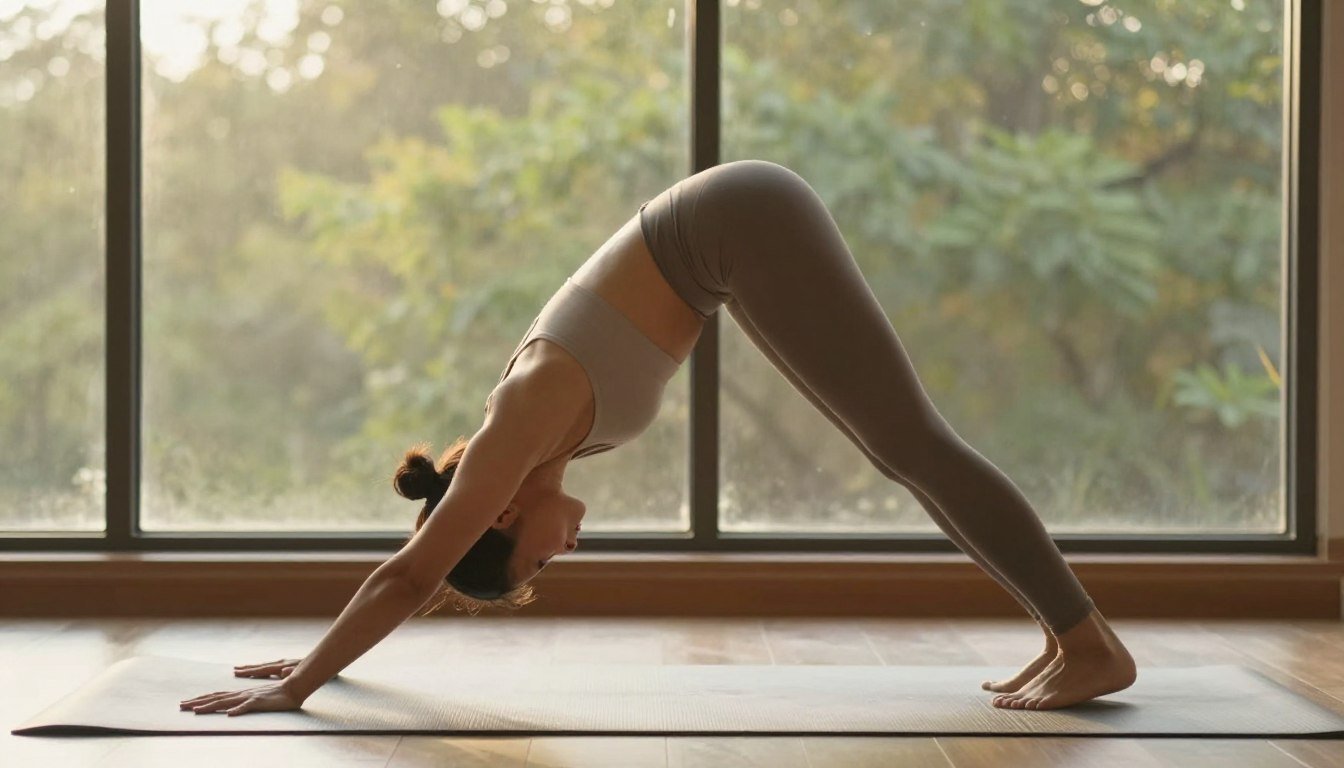
A few minutes of movement and focused breathing can feel different from a fast-paced workout, even when both leave you more aware of your body. Yoga brings movement, breathing, and attention together in a practice that can fit many parts of daily life. For some people, that means a calmer pause; for others, it means a new way to move.
Pranayama means controlled breathing practices used in yoga. Together with poses and focused attention, these practices may support physical and mental health. The benefits of yoga vary with your needs, the kind of practice you choose, and your health. Your experience may also change over time, so one person’s results cannot predict yours.
Yoga does not need to be intense to feel useful, and a first class does not need to look like a performance. You can start with comfortable movement and see how your body responds. Treat yoga as one possible part of a broader approach to wellness, not a substitute for medical care.
What Are the Benefits of Yoga for Physical and Mental Wellness?
Yoga can support movement, physical function, and emotional well-being, but it does not produce the same results for everyone. The 10 most practical headline benefits are flexibility, strength, balance, posture, mobility, stress management, mood, sleep, body awareness, and quality of life.
Yoga came from Ancient India and was tied to spiritual growth and the mind-body connection. Its name comes from the Sanskrit root yuj, meaning “to yoke” or “to bind.” Think of the benefits as possible effects, not guaranteed results. A wider list of 20 possible benefits includes more specific areas:
- Movement and function: range of motion, muscle endurance, back-related function, everyday mobility, and posture.
- Stress and attention: relaxation, mindfulness, concentration, emotional regulation, and stress management.
- Self-connection and social life: self-awareness, body awareness, mood, social connection, and a sense of personal well-being.
- Sleep and health support: sleep, quality of life, physical function, mental well-being, and support during some health conditions.
These groups overlap in daily life. Better balance may help you feel steadier on stairs, while body awareness may help you notice when a pose feels strained. Social connection can come from taking a class with other people, though a group is not needed to practice.
Condition-specific benefits depend on the health need, the practice, and the person.
Research findings often describe a group’s average response, not what each person will feel. Yoga may support well-being during some health conditions, but it does not replace care chosen for that condition. Your own goals also matter: a pose-based class and a quiet breathing session can offer different experiences.
The number of possible benefits can make yoga sound like a cure-all. It is better understood as one activity that may support several parts of health. Think of these benefits as possible outcomes to explore, not a promise that every practice will deliver all 20.
How Can Yoga Build Flexibility, Strength, and Balance?
A standing pose that asks you to press through your feet and stay upright can challenge strength and balance at the same time. Practicing yoga can also build flexibility and support posture through repeated, controlled movement. Comfortable effort matters more than matching a pose’s deepest shape.
Some research supports these physical changes. A 2019 study found improved flexibility among adults age 65 and older. A 2021 meta-analysis found yoga can build strength. In one study, previously sedentary people practiced 180 minutes weekly for eight weeks and gained strength, endurance, flexibility, and cardiorespiratory fitness.
Stretching and range of motion
Yoga poses move joints through a range of positions, while a stretch places gentle tension on nearby muscles. Over time, this work may improve range of motion, which is how far a joint can move comfortably. A larger range can make tasks like reaching overhead feel easier.
Flexibility does not mean forcing a joint to its limit. You may use a strap or bend your knees to keep a pose within a comfortable range. Practicing yoga this way can help you focus on control rather than how a pose looks.
Strength, balance, and posture
Weight-bearing poses ask your muscles to support your body. A lunge, plank, or chair pose may work several muscle groups, while a standing pose can ask your legs and core to steady you. Balance practice and body awareness may also help with everyday movement.
The core potential benefits of yoga for men are not established as a separate set from those for other adults. Men can use poses and modifications that fit their goals, just as other practitioners can. Strength and mobility needs depend on the person, not sex alone.
- Reach overhead with less stiffness.
- Rise from a chair with more control.
- Stand on one leg more steadily.
- Hold a supported pose without rushing.
These outcomes are practical ways to notice change outside class. A chair or wall can make a balance pose feel more secure, and a shorter stance can reduce strain. Choose a pose variation that lets you breathe steadily instead of straining to match someone else’s range.
Can Yoga Help With Back Pain and Other Discomfort?
Yoga has its clearest pain-related role in chronic low-back pain, where studies report improvements in pain or function. The strongest evidence here concerns back-related function, while results differ by condition and study. Yoga may be one option alongside care for chronic low-back pain.
An AHRQ report reviewed eight trials with 1,466 people who had low-back pain. It found short-term improvements in pain and function at 1-6 months, and intermediate-term improvements at 6-12 months. A Cochrane review found smaller gains in back-related function, while pain effects did not reach set levels of clinical importance.
Low-back and neck pain
The American College of Physicians recommends yoga among non-drug approaches for chronic low-back pain. That recommendation makes it a possible part of a care plan, not a cure or a replacement for other treatment. A review of three neck-pain studies involving 188 people found short-term benefits.
The size and length of studies matter when judging pain relief. Some people may notice better function without a large change in pain. A pose that feels manageable for one person may feel wrong for another.
Arthritis and other pain conditions
A 2018 meta-analysis covered 13 trials and 1,557 patients with knee osteoarthritis and rheumatoid arthritis. It found improvements in knee symptoms, physical function, and general well-being. The findings do not show that yoga works equally well for every person with arthritis.
| Condition | Evidence set | Reported outcome | Limitation |
|---|---|---|---|
| Low-back pain | 8 trials, 1,466 people; 12 trials, 1,080 people | Pain or function improved in some periods | Pain effects in one review missed clinical importance levels |
| Neck pain | 3 studies, 188 people | Short-term benefit | Few studies and participants |
| Knee osteoarthritis | 13 trials, 1,557 patients with knee osteoarthritis and rheumatoid arthritis | Knee symptoms and function improved | Evidence combined two conditions |
| Headache | Evidence set too limited for a firm conclusion | No firm effect established | Too little evidence to judge |
Evidence for rheumatoid arthritis and other pain conditions is less certain than evidence for low-back function. A clinician can help you weigh yoga alongside other care, especially when pain affects daily tasks. If pain worsens during a pose, stop that movement and discuss a safer modification with a qualified clinician or instructor.
How Does Yoga Support Stress and Mental Health?
A slower exhale and a deliberate pause can give you a simple way to notice tension before reacting to it. Movement, breathing, and meditation may support stress management, mindfulness, and emotional awareness. The effect can feel personal, and it is not the same as treatment for a diagnosed condition.
A 2023 meta-analysis reviewed 22 randomized controlled trials involving 2,216 patients with depression. It reported a pooled effect size of SMD −1.53, with a 95% confidence interval from −1.96 to −1.10. The studies varied substantially, so the pooled result cannot promise an individual outcome.
Stress, anxiety, and depression
Yoga may help you manage day-to-day stress by giving attention a steady task, such as following a breath or moving through a pose. Some people find that this pause helps them respond with more care. It does not mean yoga will stop anxiety or depression for everyone.
A 2023 systematic review included 34 studies of yoga-based treatments for depressive symptoms. That review and the meta-analysis point to research interest, but study differences make broad claims difficult. Yoga may complement mental health care, but it should not replace prescribed treatment.
Mindfulness and emotional awareness
Mindfulness means noticing what is happening in the present without rushing to judge it. During a pose, you might notice a tight shoulder, a quick breath, or a shift in mood. This attention can help you recognize how stress shows up in your body.
A beginner can try a few low-pressure ways to bring attention to the moment:
- Gentle movement through a small, comfortable range.
- Paced breathing with an easy, unforced rhythm.
- A brief meditation while sitting in a quiet place.
- A supported resting pose with cushions or a chair.
These are options, not a test of focus or flexibility. If a breathing exercise feels uncomfortable, return to your normal breath and choose another approach. Seek professional mental health support if distress is persistent, severe, or interfering with daily life.
Can Yoga Help You Sleep Better and Feel More Alert?
A short evening sequence can act as a transition between a busy day and bedtime. Comfortable movement, quiet breathing, and a resting pose may help you settle before sleep. A gentle routine can support relaxation, but it is not a treatment for every sleep problem.
Insomnia can mean trouble falling asleep or staying asleep. You might move through a few easy stretches, take several quiet breaths, then rest in a comfortable position. A legs-up-the-wall pose can be held for 5-15 minutes if it feels comfortable.
A consistent bedtime yoga routine may help prepare your body and mind for sleep. Keeping the movements familiar can make the sequence feel like a cue to wind down. Stop a pose that causes discomfort, and choose a more relaxed position.
Sleep responses differ. Some people may feel more alert or positive after building a routine, while others notice little change. Morning energy also depends on the quality and amount of sleep you get, not only your evening practice.
Persistent insomnia can affect daily life and may need professional advice. Severe daytime sleepiness also deserves attention, especially if it makes driving or work less safe. Keep the routine gentle enough that it feels calming rather than like another workout.
What Can Yoga Do for Heart and Lung Health?
Yogic breathing and movement may support some heart and lung measures, but the findings do not establish yoga as a stand-alone treatment. A 2019 review summarized 1,400 studies on yogic breathing and reported possible effects on cardiovascular, brain, and lung function. Possible effects are not proof of treatment.
Small studies have reported lower blood pressure among people with hypertension. Other studies found changes in lipid profiles among healthy people and people with coronary artery disease. These findings are not definitive, and yoga should not replace prescribed heart, lung, or diabetes care.
| Health area | Reported finding | Population or condition | Evidence caveat |
|---|---|---|---|
| Blood pressure | Small studies reported lower readings | People with hypertension | Small studies do not establish treatment effect |
| Lipid profiles | Changes were reported | Healthy people and people with coronary artery disease | Findings need more study |
| Blood sugar control | Short-term improvement in some studies | People with type 2 diabetes | Short-term results do not replace diabetes care |
Breath control can feel different from ordinary movement because it asks you to notice the pace and depth of each breath. You do not need to force a deep breath to practice. A comfortable rhythm is a sensible place to begin, especially if breath-focused exercises feel unfamiliar.
Yoga may fit beside medical care as a way to move and practice breathing, but it is not a substitute for prescribed treatment. Research on blood pressure, lipids, and blood sugar remains limited. Check with your clinician before changing medication or using yoga in place of a prescribed care plan.
Can Yoga Support Weight Management and Mindful Eating?
Yoga may support weight management indirectly when it helps you move regularly and pay closer attention to eating cues. It can be one part of a broader routine, alongside habits that support sleep, stress awareness, and activity. Indirect support is different from a promise of weight loss.
In one study, people who practiced yoga for at least 30 minutes once a week for at least four years gained less weight during middle adulthood. People with overweight lost weight. Yoga practice and mindful eating were also associated with a lower body mass index.
Those findings show an association, not proof that yoga alone caused weight change. People who practice may also make other choices that affect weight. The study does not show that the same result will happen for everyone.
Mindful eating means noticing the look, taste, smell, and feel of food as you eat. You can slow down enough to notice hunger before a meal and fullness during it. These cues may help you make more deliberate choices without labeling food as good or bad.
Weight management involves more than one behavior, and your needs can change over time. Yoga may add movement and attention to a larger routine, but it is not a complete weight plan on its own. Treat changes in weight as one possible outcome, not the only measure of whether a practice is helping.
What Benefits May Yoga Offer During Cancer and Menopause?
For cancer survivors and some people with menopause symptoms, yoga may support day-to-day well-being as well as movement. The reported benefits differ by group and outcome, so one study’s result should not be treated as a promise. Yoga can be considered alongside a clinician’s care plan.
An updated 2024 systematic review included 34 randomized controlled trials of yoga for cancer survivors. Its searches covered January 1, 2018, through February 23, 2023. The review found benefits for physical function, mental health, and overall quality of life.
Cancer survivorship and quality of life
The reported effects were relatively small for most physical and mental health outcomes. Effects on quality of life were generally large. The results suggest that yoga may support how some cancer survivors feel and function in daily life.
Survivorship covers many health histories and treatment experiences. A practice that feels suitable after one treatment may not fit another person’s needs. The review’s findings apply to cancer survivors in the included studies, not to every person with cancer.
Menopause and related symptoms
A 2024 randomized trial assigned 62 menopausal women to two groups of 31. The yoga group practiced for 60 minutes twice a week over 10 weeks. Its median total Menopause Rating Scale score fell from 16 to 5.
The psychological complaint score fell from 6 to 1, the urogenital score from 3 to 1, and the somatic score from 7 to 1. Each change followed the 10-week practice period and had p < 0.05. These results describe one trial and do not assure the same change for every person.
Scores can help researchers compare symptoms, but your own experience may not match a group median. Ask a clinician whether a specific routine fits your health history and current treatment.
How Might Yoga Help Children, Students, and Older Adults?
A school-based yoga program and an older adult’s balance-focused class address different needs, so age and setting matter. Research suggests possible benefits for attention, mental health, and distress, but results vary across groups. Encouraging findings still need careful interpretation.
A 2023 systematic review included 21 research papers on yoga and mental health in school-aged children. It searched randomized trials published from January 2008 through May 2022. Small samples and limited details about programs weaken confidence in broad conclusions.
Children and school-aged students
In a 2019 study, five-year-old kindergartners practiced yoga at school twice a week instead of standard physical education. They showed less inattention and hyperactivity, and they finished tasks faster than comparison groups. This finding describes that school setting and age group.
School-based yoga may support attention and mental well-being for some children. It is not a proven answer for every student or classroom. Program length, teacher skill, and the children taking part can affect what a study finds.
Older adults and changing abilities
A 2025 randomized intervention assigned older adults to 16 weeks of resistance training, yoga, or a control group. There were 29 people in resistance training, 28 in yoga, and 28 in the control group. Researchers measured psychological distress with the Kessler K10 questionnaire.
| Population | Intervention or evidence set | Reported outcome | Important limitation |
|---|---|---|---|
| School-aged children | 2023 review, 21 research papers | Evidence described as encouraging | Small samples and limited intervention details |
| Kindergartners | 2019 study, yoga twice weekly at school | Less inattention and hyperactivity; faster task completion | Study involved five-year-olds in one school setting |
| Older adults | 2025 study, 16 weeks; yoga 28, resistance training 29, control 28 | Distress fell 18.9% with yoga and 18.5% with resistance training | No significant difference in effect size |
Distress fell by similar amounts in the yoga and resistance-training groups, with no significant difference in effect size. The result does not show that yoga was better than resistance training. For an older adult with mobility limits, ask whether a chair-based or gentle class can be adapted to their abilities.
What Should a Beginner’s Yoga Routine Include?
A beginner’s first goal is to learn comfortable alignment and steady breathing, not to master difficult poses. A basic yoga routine can include breath-controlled exercises, poses, and rest. Start with the parts that feel manageable, then add new movement as you learn.
Hatha yoga combines breath-controlled exercises called pranayamas, poses called asanas, and a resting period called savasana. A class can help you learn form and see how an instructor adapts poses. Home practice can offer more flexibility in timing and pace.
These four steps can help you set up a useful beginning:
- Choose a beginner or gentle class that explains poses in plain language.
- Learn basic alignment before trying a deeper or more complex pose.
- Use props or a chair when they make movement feel steadier.
- Add yoga alongside other forms of activity rather than relying on it alone.
Yoga can be part of a varied activity routine. U.S. Physical Activity Guidelines recommend adults do resistance training at least two days each week. They also recommend 150-300 minutes of moderate-intensity cardio, or 75 minutes of vigorous-intensity cardio, each week.
Your class does not need to include every pose or breathing method. A familiar sequence can help you learn how your body responds, while an instructor can explain options when a movement feels unclear. Start with a class or instructor who can offer modifications if you are unsure how a pose should feel.
How Often Should You Practice Yoga?
For general wellness, a practical starting point is 2-3 yoga sessions a week, with the length and intensity adjusted to your needs. A typical example uses 45-60 minutes per session, combining poses, breathing, and relaxation or meditation. This is a starting range, not a proven best dose for every goal.
Evidence does not establish one optimal schedule for individual health needs. A shorter daily routine may suit you better if it is easier to keep up. Brief daily sessions of 10-20 minutes are an emerging approach for balance, mobility, subjective well-being, and adherence.
Some people managing chronic conditions may use a more intensive example: five days a week, with sessions lasting 60-90 minutes. That schedule needs individual adjustment and should fit the person’s health needs. It is not a general recommendation for everyone.
Regular yoga practice can include different amounts of movement and rest. You might choose a longer class on some days and a short session on others. The goal is a routine you can return to without making it hard to recover or keep other activities.
Record how your body feels after practice and whether the schedule fits your week. If your needs change, the routine can change too. Pick a schedule you can repeat comfortably, then adjust it if your health needs or recovery change.
How Can You Choose a Safe Yoga Style and Modify Poses?
A suitable yoga class should feel challenging enough to engage you without making you feel overwhelmed. Hatha, gentle yoga, and chair yoga offer different ways to work with movement and support. Choose a style that matches your comfort and mobility.
Yoga is generally considered safe for healthy people when practiced properly under a qualified instructor. Sprains and strains are the most common yoga-related injuries, while serious injuries are rare. Forcing a pose can raise the risk of injury.
Match the style to your comfort and mobility
A style name can give you a rough idea of the class, but instructors and classes differ. Ask what movements the class includes if you need to know whether it fits your comfort level. A chair can offer support when standing or getting down to the floor is difficult.
| Style | Typical format | Who may find it accessible | Practical adjustment |
|---|---|---|---|
| Hatha | Poses, breathing, and rest | People who prefer a paced class | Use a prop to shorten a stretch |
| Gentle yoga | Slower, less demanding movement | Beginners or people seeking a calm pace | Keep movements within a comfortable range |
| Chair yoga | Seated or chair-supported poses | People who need more support | Use the chair for balance and stability |
Adapt poses and know when to pause
Props, a chair, and smaller movements can change how a pose feels without making your practice less useful. Children should start slowly, even if they are flexible or active. A qualified teacher can help you find a version that suits your current ability.
Use this safety checklist before and during a class:
- Choose a qualified instructor who can explain pose options.
- Stay within a comfortable range of motion.
- Use a chair or props for support when helpful.
- Stop for sharp pain or dizziness.
- Discuss health conditions with your clinician and teacher.
Older adults, pregnant people, and people with health conditions may need to modify or avoid some poses. Their needs can change with mobility, pregnancy, treatment, or other health factors. If you are pregnant, an older adult, or managing a health condition, discuss modifications with your clinician and instructor before starting.
Can Yoga Change Your Body, and What Are Its Limits?
Yoga can change what your body can do, though it cannot guarantee a particular shape or targeted fat loss. The functional changes may include strength, mobility, balance, and body awareness. How much you notice depends on your practice and your individual needs.
Yoga cannot selectively reduce belly fat. Weight loss requires an overall calorie deficit, which means using more energy than you take in over time. No exercise can target belly fat alone.
Yoga and lifting weights serve overlapping but different purposes. Yoga can challenge muscles while also working on mobility and balance. Resistance training is a direct way to train strength, so the two forms of activity can complement each other.
A useful practice does not need to produce a particular body shape.
For adults, U.S. Physical Activity Guidelines recommend at least two days of weekly resistance training. They also recommend 150-300 minutes of moderate-intensity cardio or 75 minutes of vigorous-intensity cardio each week. Yoga may contribute movement, but it does not need to replace these other activities.
Surveys have found greater body awareness and body satisfaction among people who practiced yoga. These results do not prove yoga caused the difference, and appearance is not the only way to judge change. Judge progress by changes in function and consistency as well as appearance.
Conclusion
Yoga can be a useful addition to wellness when the practice fits your body, goals, and daily life. It may support movement and mental well-being, but individual results and the right approach differ. You do not need to copy another person’s pace or pose to take part.
Choose a beginner-friendly class or a short, comfortable routine, then notice how it feels during and afterward. A calm, steady practice may suit you better than a demanding one. Choose one accessible class or routine and give yourself permission to modify it from the start.






Leave a Reply